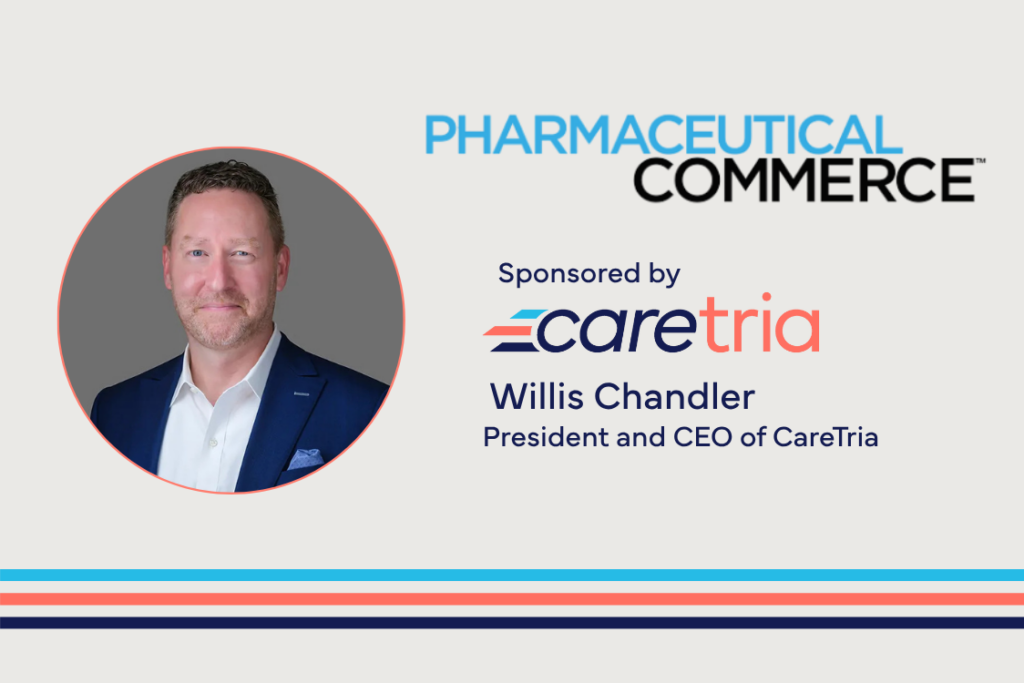
Speaker: Willis Chandler, CEO, CareTria
Format: Interview with Pharmaceutical Commerce
Runtime: ~26 minutes
Publication Date: March 27, 2026
1. The Current Challenge in Specialty Medication Access
Chandler opens by discussing the growing pressure pharmaceutical manufacturers face, including tightening margins, patent expirations, and rising commercialization costs. A central issue highlighted is specialty medication abandonment, which remains at roughly 50%, largely due to access and affordability barriers rather than clinical effectiveness.
2. Fragmentation of Legacy Patient Support Models
The conversation emphasizes that traditional patient support ecosystems are highly fragmented—often split across hubs, specialty pharmacies, payers, and providers. This fragmentation introduces administrative complexity that delays therapy initiation and contributes to patient drop-off before treatment even begins.
3. Administrative Friction as a Root Cause of Non-Adherence
Chandler identifies two major systemic inefficiencies:
- Slow benefit verification processes, often taking days or weeks
- Financial friction at the pharmacy level, where patients encounter unexpected costs
These delays and surprises erode patient confidence and motivation, increasing the likelihood that they never start therapy.
4. CareTria’s Integrated, Automated Platform
CareTria is positioned as a response to these inefficiencies. Chandler explains how the platform:
- Unifies provider workflows across medical and pharmacy benefits
- Automates administrative steps that traditionally require manual intervention
- Reduces operational burden on provider offices
By addressing access issues earlier and more efficiently, CareTria helps improve conversion and adherence outcomes.
5. Compressing Time to Therapy
A major theme of the discussion is time-to-therapy compression. Through automation and end-to-end integration, CareTria can reduce therapy initiation timelines from weeks to days, which has meaningful implications for:
- Patient health outcomes
- Manufacturer brand performance
- Provider satisfaction and efficiency.
6. Rethinking Access Models
Beyond traditional hub-and-pharmacy pathways, Chandler explores emerging models such as:
- Direct-to-patient cash programs
- Multimodal fulfillment strategies
These approaches can help bypass payer constraints, expand access options, and ensure patients have alternative pathways to start therapy when conventional routes fail.
7. Strategic Implications for Pharma
The interview closes by framing adherence not just as a patient issue, but as a commercial and strategic imperative. Automation, integration, and access flexibility are positioned as critical levers for improving both patient outcomes and long-term brand success in an increasingly complex market.
You can watch the full interview on Pharmaceutical Commerce here.